
Understanding Septoria Leaf Spot: Causes and Solutions


Intro
Septoria leaf spot is not just a casual blight on the farmer's landscape; it can spell disaster for crops, especially for those in the solanaceous family like tomatoes, potatoes, and eggplant. This fungal disease has garnered attention in agricultural circles for its capacity to significantly diminish yield and quality. Understanding this ailment isn't merely academic; it carries real implications for farmers and agricultural enthusiasts alike who aim to maintain robust and healthy crops.
This exploration delves into the multifaceted issues surrounding Septoria leaf spot, ranging from its lifecycle and symptomatology to best practices in management and prevention. It seeks to equip readers with practical insights and actionable strategies to tackle this fungal threat effectively. As the farming community grows increasingly reliant on integrated pest management approaches, this article underscores the need for comprehensive knowledge about Septoria leaf spot, ensuring that those who till the soil can do so with confidence and foresight.
Key Concepts and Terminology
Definition of Terms
To grasp the full impact of Septoria leaf spot, it's crucial to clarify a few terms. Firstly, Septoria refers to a genus of fungi, with several species causing leaf spots on various plants. The most notorious among these is Septoria lycopersici, which predominantly affects tomatoes. Understanding such terminology prepares one for deeper discussions about symptoms, management, and the overall impact of the disease on agricultural practices.
Overview of Relevant Practices
The strategies to combat Septoria leaf spot revolve around a few core practices: crop rotation, resistant cultivars, and proper sanitation. Crop rotation involves alternating different plant families in a sequence that disrupts the lifecycle of the fungi. Opting for resistand varieties of crops can provide a buffer against the disease's onset. Finally, sanitation regular practices, like removing and destroying affected leaves, play an essential role in managing the spread of the fungal spores.
Current Trends and Innovations
Latest Research and Developments
The landscape of agricultural science is forever evolving. Recent research has focused on understanding the genetic makeup of Septoria species and how they interact with the host plants. Innovations are also emerging in the area of biological control methods, with beneficial bacteria being explored to outcompete or inhibit the growth of Septoria fungi.
Emerging Technologies and Tools
Farmers today are leveraging technology in unprecedented ways. Drone technology, for instance, is making it possible to conduct aerial assessments of crop health quickly. With real-time data analytics, farmers can make more informed decisions regarding disease management. Applications that track weather patterns also help anticipate conditions that may facilitate the spread of Septoria, allowing for preemptive action.
Practical Applications
Step-by-Step Guides
For those dealing with Septoria leaf spot, here’s a simplified guide to action:
- Identify the Symptoms: Look for small, round, dark spots on the leaves, often with a yellow halo.
- Monitor Moisture Levels: Ensure that crops are irrigated properly, avoiding excess moisture that can encourage fungal growth.
- Implement Crop Rotation: Change your planting schedule to prevent reinfection.
- Enhance Air Circulation: Space your plants appropriately to enable airflow, reducing humidity around the leaves.
- Utilize Resistant Cultivars: Select plant varieties known for their resistance to Septoria.
Troubleshooting Common Issues
Farmers often encounter challenges that may exacerbate the effects of Septoria leaf spot. Here are a few common issues and their solutions:
- Persistent Leaf Spotting Despite Treatment: This may indicate a need for a more robust fungicide or a need to reassess the sanitation measures being employed.
- High Humidity Levels: Adding fans or natural windbreaks can assist in drying leaves quickly.
- Soil Health Management: Increase organic matter in the soil to improve overall plant health, thus enhancing resistance against diseases.
"Prevention is not just better than cure; it’s the cornerstone of any sustainable agricultural practice."
These guidelines not only provide immediate steps to tackle Septoria leaf spot but also sketch a broader picture of effective management strategies that sustain healthy crops over the long term. For further reading on disease management in agriculture, consider visiting resources like USDA.gov and eXtension.org. The knowledge compiled here serves as a foundation for a more sustainable and resilient farming practice.
Prelims to Septoria Leaf Spot
Understanding septoria leaf spot is critical for anyone involved in agriculture, especially for those working with crops susceptible to this fungal disease. The significance of this topic cannot be overstated, as it has far-reaching implications for crop health and economic sustainability. This introduction serves as a primer, outlining the essentials of septoria leaf spot, its causes, its effects, and the management strategies that can mitigate its impact.
Defining Septoria Leaf Spot
Septoria leaf spot, primarily caused by the Septoria genus of fungi, particularly affects the leaves of various plants, leading to huge challenges for farmers. This disease manifests mainly on solanaceous crops, such as tomatoes, potatoes, and eggplants. The leaf spots are often characterized by small, round lesions that appear dark brown or black, which can eventually lead to premature leaf drop. The importance of identifying these symptoms early is pivotal; failure to do so might lead to widespread crop loss and hinder yield.
Throughout this article, we will dissect every aspect of septoria leaf spot, providing agricultural professionals and enthusiasts with the knowledge needed to tackle this disease head-on.
Historical Overview
Tracing the footsteps of septoria leaf spot reveals the long-standing history of its impact on agriculture. The first documented cases of Septoria fungi appeared in the 19th century, coinciding with the rise of commercial agriculture. Its rapid spread was certainly tied to the expansion of farming practices and the global movement of crops. Over the years, it has become clear that this diseas can adversely affect not just yield, but also the quality of produce.
For example, in the mid-20th century, the potato blight not only devastated crops in growers’ fields but also sparked a significant economic shift in areas heavily reliant on potato farming.
Farmers found themselves struggling with management practices, exploring various chemical and cultural strategies.
As awareness surrounding this disease grew, so did research efforts to understand its lifecycle and devise effective management options. Today, scientists and agriculturalists continue to delve into this topic, making strides in disease prevention and control. This historical context is crucial for understanding the ongoing battles farmers face with septoria leaf spot and how lessons learned from the past inform current practices.
"Knowledge of the history of septoria leaf spot prepares us to face its challenges effectively, ensuring that our agricultural practices evolve to meet new threats."
Equipped with an understanding of both the definition and the historical context of septoria leaf spot, we can now explore its causes in greater detail.
Causes of Septoria Leaf Spot
The significance of understanding the causes of Septoria leaf spot cannot be overstated when dealing with crop health and productivity. By identifying the components that contribute to the onset of this fungal disease, agricultural professionals can develop targeted strategies to minimize its impact. As a multifunctional problem rooted in both biological and environmental factors, a comprehensive grasp on these causes helps in fostering resilience in crops against Septoria leaf spot. This knowledge not only aids in the management of current outbreaks but also arms farmers with the foresight needed to prevent their occurrence in the future.
Fungal Pathogen Identification
Septoria leaf spot is primarily caused by fungi belonging to the Septoria genus. The most notorious of these is Septoria lycopersici, which particularly devastates tomato plants. Identifying the specific fungal pathogen is essential as each species may have different traits regarding virulence, host preference, and lifecycle dynamics. Farmers often have to rely on careful observation, laboratory analysis, and field diagnostics to ensure they are dealing with the accurate pathogen.
Moreover, the spores of these pathogens can be airborne or soil-borne, complicating their detection. Particularly, infections can be facilitated by water splashes, which disperse the spores. Therefore, knowing which specific strains are present can lead to more tailored control measures, making it vital for pest management.
In recognizing the symptoms, practitioners can pinpoint the culprit before it wreaks too much havoc. Typical signs include the appearance of small, dark spots on leaves, which later grow larger and turn yellow. Proactive identification can therefore help in refining approaches to combat these fungi.
Environmental Conditions Favoring Infection
The environmental conditions surrounding crop cultivation play a pivotal role in the likelihood of Septoria leaf spot infections. Specifically, these fungi thrive in conditions characterized by high humidity and moderate temperatures.
- Moisture Levels: Free water on leaf surfaces, resulting from excessive rain or irrigation, provides the perfect breeding ground for fungal spores. Conditions like prolonged leaf wetness, occurring during rainy days or due to heavy morning dew, facilitate spore germination.
- Temperature: Ideal temperatures for these pathogens generally hover around 18-24 degrees Celsius (64-75 degrees Fahrenheit). When crops are exposed to these temperatures accompanied by moisture, the chances of an outbreak markedly increase.
- Crop Stress: Stressed plants, whether from drought, nutrient deficiencies, or other disease pressures, are especially susceptible to fungal infections. This highlights the importance of balanced nutrient management and consistent irrigation.
To mitigate these factors, farmers should adopt strategic planting timelines, ensure the right water management practices, and maintain adequate air circulation around plants. For example, planting rows wider apart is one way to facilitate airflow and reduce leaf wetness.
By taking proactive measures based on environmental assessments, farmers can dodge the bullet of Septoria leaf spot and maintain healthy crops.
Understanding the favorable conditions for Septoria leaf spot allows for informed decision-making, improving yields, and enhancing overall crop health.


For further insights and resources, agricultural professionals may refer to agriculture.gov or plantpathology.wisc.edu for additional research and practical guidance.
Symptoms of Septoria Leaf Spot
Recognizing the symptoms of Septoria leaf spot is crucial for effective management and control of this disease. The early identification of the disease can save farmers significant time and resources, allowing for prompt intervention. This section explores the visual indicators and stages of disease progression, which together help in determining the severity and impact of the disease on crop health.
Visual Indicators
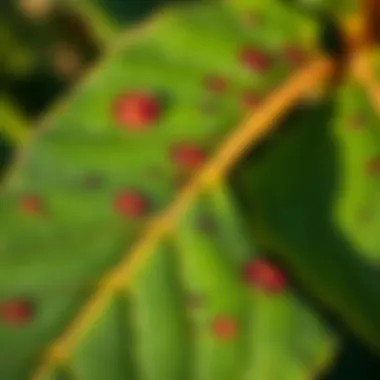
The first visual signs that a grower might encounter are small, circular lesions on the leaves. These can start out as tiny, water-soaked spots, which soon develop into larger, dark brown or black lesions with lighter centers. The contrast of the lesions against the green foliage creates a striking appearance that can easily be confused with other diseases or even normal leaf drop, leading to misdiagnosis.
Some additional visual markers to watch for include the following:
- Lesion Size: As time progresses, the lesions can grow from a pinhead size to about a quarter of an inch or larger.
- Leaf Margins: The edges of the lesions often remain yellow, creating a halo effect that signals distress in the plant.
- Spread Pattern: Look for clusters of spots, which could indicate a large infection. A single or scattered spot might suggest a preliminary stage.
It’s important to note too that these symptoms can manifest differently depending on the species of the host plant, with solanaceous plants often displaying more pronounced lesions due to their own structural characteristics. Observing these signs regularly, especially during warm and humid periods, can be crucial in controlling outbreaks before they spread uncontrollably.
The sooner a farmer identifies Septoria leaf spot, the better armed they are to implement management strategies that minimize crop losses.
Stages of Disease Progression
Once Septoria leaf spot has made an appearance, understanding the progression is vital for any farmer hoping to protect their crops. The disease typically evolves through several stages:
- Initial Infection: As mentioned, the first signs appear as small water-soaked spots, often overlooked by an untrained eye.
- Lesion Expansion: Within a week or two, these spots will grow and start merging together, significantly increasing the leaf area affected. This can lead to substantial leaf blight.
- Foliage Decay: In advanced stages, entire leaves may yellow and wilt, potentially leading to defoliation and impacting photosynthesis.
- Spore Production: In late-stage infections, the fungus can produce spores that rain down onto new leaves, perpetuating the cycle of infection if not dealt with.
Continuous assessment and monitoring at each of these stages can aid farmers in making informed decisions about intervention and may lead to a reduction in infection severity. Tracking the development of symptoms over time can also provide insights into whether current management strategies are effective or if adjustments are necessary.
In summary, being aware of both the apple visual indicators and stages of disease progression plays a pivotal role in fending off disastrous losses due to Septoria leaf spot. This vigilant observation can serve as the cornerstone of good agricultural practice, contributing to sustainable farming efforts.
Types of Plants Affected
Understanding the types of plants affected by septoria leaf spot is key for effective management and prevention strategies. Notably, this fungal disease has a knack for targeting specific hosts that make up a significant portion of the agricultural landscape. Knowing which plants are more susceptible means that farmers and enthusiasts can adapt their practices to safeguard crop health. This section provides an overview of the common hosts and highlights the species most vulnerable to the disease.
Common Hosts
Septoria leaf spot has a preference for crops within certain families, particularly those in the Solanaceae family. Some of the most notable common hosts include:
- Tomatoes: Perhaps the most recognized host, tomatoes are often devastated by septoria leaf spot, especially when waterlogged conditions persist. The disease can lead to reduced yields if not managed properly.
- Potatoes: Another popular crop, potatoes can also suffer significant damage from this fungus. The presence of lesions can compromise the overall quality, making them less marketable.
- Eggplants: These tender plants are not immune either, often facing health issues associated with the disease which can spread rapidly in warm, humid conditions.
Understanding these common hosts allows farmers to monitor them closely for signs of infection. Timely identification and intervention can make a world of difference in maintaining plant health.
Vulnerable Crop Species
In addition to common hosts, other crop species show vulnerability to septoria leaf spot, often leading to troubling trends in production:
- Pepper plants: Sweet and hot peppers fall prey to this pathogen, resulting in leaf drop and potential yield losses.
- Tobacco: This economically important crop can also be affected. Loss of foliage undermines its growth and quality.
- Certain legumes: While less common, some leguminous crops can experience issues if conditions are right for the pathogen.
Recognizing these particularly susceptible species can guide the decision-making process for crop selection and management practices. Proactive measures—like crop rotation and suitable planting practices—can help reduce the vulnerability and incidence of septoria leaf spot in these crops.
"Awareness of the plants that are prone to septoria leaf spot equips farmers with the knowledge necessary to tailor their IPM strategies effectively."
In summary, a clear understanding of the types of plants affected by septoria leaf spot not only aids in immediate management efforts but also plays an essential role in long-term agricultural planning. Those involved in farming or caring for crops should stay vigilant, keeping an eye on common hosts and vulnerable species alike to ensure the health and productivity of their plants.
For more detailed research on host plants and disease resistance, check out Wikipedia on Septoria or visit relevant agricultural extension services for localized guidance.
Lifecycle of Septoria Fungi
The lifecycle of Septoria fungi plays a crucial role in comprehending this affliction's extensive impact on crops. Understanding the various stages of the fungal lifecycle not only aids in identifying infection sources but also informs effective management strategies. The knowledge of these stages provides valuable insights for farmers and agricultural professionals, allowing them to make informed decisions to mitigate infection and enhance crop health.
Spore Formation and Dissemination
The inception of Septoria leaf spot can be traced back to spore formation. Septoria fungi produce conidia, which are asexual spores that play a pivotal role in the disease’s spread. These conidia are formed in the pycnidia, small fruiting bodies that emerge on infected plant tissues. The spores can be released into the air, and when conditions are favorable—specifically, moist, cool environments—they can travel considerable distances.
- Key characteristics of conidia:
- They are typically cylindrical in shape and can vary in size.
- They are light enough to be carried by wind or water.
"Understanding how spores are formed and spread is vital to preventing outbreaks on your crops."
The mechanisms of dissemination are diverse:
- Wind: Conidia can be lifted by breezes, allowing them to drift over fields.
- Water: Rain splash or irrigation can spread these spores to neighboring plants, rapidly increasing infection rates.
- Human Activity: Equipment, shoes, and even animals can inadvertently carry the spores from one location to another, creating new infection sites.
Infection Pathways
Once conidia land on a suitable host plant, the process of infection commences. The initial infection occurs when the spores germinate. This is often facilitated by moisture present on the leaf surface, which is essential for spore activation. As germ tubes emerge from the spores, they penetrate the host’s tissues, typically through stomata or wounds, leading to colonization.
- Germination Process:
- The spores require water to germinate.
- Optimal temperatures usually range between 20°C to 25°C (68°F to 77°F).
Following successful penetration, the fungus begins to absorb nutrients from the host, further developing inside. The progression from infection to visible symptoms can happen in just 7 to 14 days, depending on environmental factors. This rapid development underscores the need for timely management interventions to mitigate potential crop losses.
Understanding these infection pathways enables farmers to implement better strategies such as exposure timing, pruning of infected plants, and careful irrigation management to rduce leaf wetness. By grasping the complete lifecycle of Septoria fungi, farmers can put in place preventive measures tailored to disrupt the lifecycle effectively, keeping their crops healthy and productive.
Impact on Agriculture
Understanding the impact of Septoria leaf spot on agriculture is crucial for anyone involved in crop production. This fungal disease can significantly diminish crop yield and quality, which has a direct effect on agricultural profitability and sustainability. Farmers must recognize the various dimensions of this impact, as it not only affects their immediate harvest but also has long-term ramifications for soil health and ecosystem balance.
Yield Loss and Quality Degradation
Yield loss due to Septoria leaf spot is something that cannot be brushed aside. This fungus causes leaf spots that weaken plant tissues, leading to premature leaf drop. A farmer might witness a reduction in photosynthesis, leading to stunted growth and, ultimately, a lower yield at harvest time.
In fruit-bearing crops, such as tomatoes and peppers, the impact can be even more pronounced. The quality of the produce is also affected; fruits may develop unsightly blemishes or fail to reach marketable size. In terms of specifics, affected plants can see yield reductions of up to 40% in severe cases. The lower quality of the harvest might force farmers to sell at a discounted price, further cutting into profit margins.
The degradation in quality doesn't just stop at the farm gate; it can ripple through the supply chain, affecting everything from processing to retail sales. Overall, understanding the relationship between Septoria leaf spot and yields is vital to developing effective management strategies.

Economic Implications for Farmers
Let's face it, farming is a tough gig for most. Hidden costs often loom large when dealing with diseases like Septoria leaf spot. Economic implications encompass more than just yield losses. They include the costs associated with fungicide applications, labor for disease monitoring, and even the loss of marketability of affected crops.
Farmers may find themselves shelling out more money for chemical controls, only to question their effectiveness as resistance to these treatments can develop. There's also the risk of having to replant entire fields if an outbreak occurs, which adds material costs and labor time that could be used elsewhere. In addition, repeated applications might negatively impact non-target organisms, which are essential for maintaining a balanced ecosystem within the farming environment.
Furthermore, if disease outbreaks become routine without proper management, insurance rates might go up, or some farmers may find themselves unable to secure coverage altogether. In a nutshell, the pressure from economic implications undermines the stability that farmers seek to establish.
In summary, Septoria leaf spot is not just a bookish concern; it affects agricultural practice on multiple fronts, from yield to quality and economic viability. Understanding these impacts allows farmers to take proactive measures, thereby turning the tide against this insidious foe.
"An ounce of prevention is worth a pound of cure." This old adage rings especially true in the world of agricultural management, particularly concerning diseases like Septoria leaf spot.
By acknowledging both the potential yield losses and economic implications, farmers can better appreciate the importance of effective management strategies and preventive measures.
Management Strategies
Effective management of Septoria leaf spot is crucial for maintaining healthy crops and optimizing yields. Proper strategies help mitigate the adverse effects of this fungal disease, making it beneficial for farmers to adopt both cultural and chemical measures as part of an integrated approach. A multifaceted management plan not only aids in controlling existing infections but also minimizes the risk of future outbreaks.
It's important to recognize that management strategies rely heavily on the understanding of the disease's lifecycle and environmental influences. By considering these factors, farmers can make informed decisions that enhance crop resilience and protect their investments.
Cultural Practices
Cultural practices are the backbone of any effective disease management strategy. By altering farming methods and environmental conditions, growers can significantly reduce the chances of Septoria leaf spot establishing itself in their fields.
Some essential cultural practices include:
- Crop Rotation: Continually planting the same crop can lead to a buildup of pathogens in the soil. Rotating with non-host crops can break this cycle, reducing fungal populations over time.
- Soil Health: Maintaining healthy soil through organic amendments can support beneficial microbes that compete with pathogens. Practices like adding compost or developing a robust cover crop system can enhance soil vitality.
- Proper Spacing: Ensuring adequate space between plants fosters good air circulation, reducing humidity levels around foliage. This is essential since Septoria thrives in moist environments.
- Sanitation: Cleaning tools and equipment and removing affected plant debris can minimize spore spread. Farmers should actively monitor plants and promptly remove any that exhibit signs of infection.
Incorporating these cultural practices not only curtails the incidence of disease but also promotes overall crop health, contributing to sustainable farming in the long run.
Chemical Control Options
While cultural practices form the first line of defense, sometimes chemical control options are necessary to combat severe outbreaks of Septoria leaf spot. Strategic application of fungicides can help manage this disease effectively when integrated with other practices.
When considering chemical control, it’s vital to evaluate options based on efficacy and environmental impact. Some key points to consider are:
- Types of Fungicides: Fungicides can be divided into contact and systemic types. Contact fungicides provide a protective barrier, while systemic fungicides are absorbed by the plant and can offer internal protection. Choosing the right type for the specific stage of infection is key.
- Resistance Management: Overreliance on a single fungicide can lead to resistance, rendering it less effective over time. Rotating different modes of action can mitigate this risk.
- Application Timing: Fungicides work best when applied before visible symptoms appear. Monitoring weather conditions and crop growth stages can guide optimal timing for applications.
Farmers must also stay informed about local regulations and guidelines for chemical use. Careful consideration of environmental impacts and following best practices ensures both effective disease management and the overall health of ecosystems.
"The best defense against Septoria leaf spot is a good offense—a combination of cultural practices and chemical strategies for robust crop health."
For more in-depth information, check resources from United States Department of Agriculture or explore further studies on AgResearch for effective management strategies.
Integrated Pest Management (IPM)
Integrated Pest Management (IPM) represents a paradigm shift in how agricultural practices approach pest control, especially when dealing with diseases like Septoria leaf spot. Its essence lies in understanding the complex interactions between pests, their environment, and the ecosystem at large. Rather than relying solely on chemical solutions, IPM tactics advocate for a holistic approach, blending methods that ensure crop health while being sustainable for the environment.
The importance of IPM in the context of Septoria leaf spot cannot be overstated. This fungal disease poses substantial threats, particularly to solanaceous crops. As farmers and agricultural enthusiasts seek to maintain productivity without sacrificing land integrity, IPM provides a reliable framework. Here are some specific elements and benefits of implementing IPM:
- Multiple Tactics: IPM employs a combination of biological, cultural, and chemical controls. This multifaceted approach gives farmers various tools to combat pests effectively.
- Environmental Stewardship: It minimizes the reliance on synthetic pesticides, reducing potential harmful impacts on soil, water, and overall biodiversity.
- Cost Efficiency: In the longer run, employing IPM strategies may reduce overall costs by limiting the need for expensive chemical treatments and mitigating crop losses due to pest damage.
- Education and Awareness: Farmers become better informed about pest life cycles and behaviors, enhancing their ability to prevent infestations before they escalate.
- Sustainability: By promoting practices that respect natural ecosystems, IPM contributes to sustainable agriculture, ensuring healthy yields for generations to come.
Principles of IPM
The principles of IPM serve as guidelines for its execution. No two farms are alike, and IPM is designed to be flexible and adaptable to local conditions. Key principles include:
- Monitoring and Identification: Regular monitoring of crops for signs of infection helps with early detection. Understanding what pests are present and in what quantities lays the groundwork for identifying when and how to intervene.
- Threshold Levels: Set intervention levels based on research. Not every pest requires immediate action; being aware of economic thresholds allows for informed decision making.
- Cultural Practices: Implementing agronomic methods such as crop rotation, proper irrigation, and choosing resistant varieties can mitigate risks effectively.
- Biological Control: Utilizing natural predators or biopesticides to control pests can reduce the need for chemical inputs.
- Chemical Control as Last Resort: When other methods are insufficient, judicious use of pesticides should be employed, prioritizing those that target specific pests while minimizing harm to beneficial organisms.
Implementing IPM for Septoria Control
Implementing IPM for controlling Septoria leaf spot involves a structured approach:
- Site Assessment: Evaluate the specific conditions of the farm, including the types of crops grown and previous pest struggles.
- Regular Monitoring: Establish a regular schedule for checking crops for any signs of Septoria leaf spot. This may involve visual inspections or even lab tests for precise identification.
- Cultural Practices Adaptation: Adjust planting dates, rotate crops to disrupt the fungal lifecycle, and maintain optimal soil health to reduce disease incidence.
- Use of Resistant Varieties: Encourage the use of plant varieties bred for resistance to Septoria. These can considerably lessen the infection rates.
- Biological Controls: Explore options like introducing beneficial organisms that may help suppress fungal growth.
- Pesticide Integration: Should chemical intervention become necessary, ensure it is part of a greater strategy that has considered all other avenues. Use fungicides that are specifically effective against Septoria, and apply them at optimal times to minimize resistance development.
By synergizing these fundamental steps under the banner of IPM, farmers not only combat Septoria leaf spot effectively but also cultivate a more resilient agricultural ecosystem. As the saying goes, "An ounce of prevention is worth a pound of cure," especially when it comes to sustainable farming practices.
Resource for Further Reading: Wikipedia on Integrated Pest Management
Engaging in such mindful agricultural practices addresses immediate pest problems while also preparing the ground for a healthier, more balanced ecosystem in the long term.
Preventive Measures
Preventive measures play a crucial role in managing Septoria leaf spot, a fungal disease that can wreak havoc on crops if left unchecked. The essence of prevention lies in proactive steps that agricultural professionals can take to protect their plants. By implementing effective practices, farmers can significantly reduce the incidence of this disease, thereby safeguarding their yields and contributing to sustainable agriculture.
The importance of preventive measures cannot be overstated. These strategies not only protect crops but also minimize the need for reactive treatments that may involve harmful chemicals. Sustainable practices tend to improve soil health and encourage biodiversity, which is beneficial in the long run. Educating oneself about these preventive tactics is akin to investing in an insurance policy for your crops.
Crop Rotation and Diversity
Crop rotation is an age-old practice that remains relevant in modern agriculture. By alternating the types of crops grown in a specific area from season to season, farmers can disrupt the lifecycle of Septoria fungi. When the same crop is grown repeatedly, pathogens can accumulate in the soil, increasing the risk of infection. In contrast, rotating crops with different families can help break this cycle, as different plants attract distinct pests and pathogens.
For instance, if tomatoes are infected with Septoria leaf spot one season, planting legumes or grains the following season can prevent the fungus from thriving. Moreover, diverse plantings can encourage beneficial insects and microorganisms, which further boost crop resilience. This kind of diversification serves not just to combat Septoria but can enhance overall farm productivity.
Key benefits of crop rotation include:
- Enhanced soil health: Different crops can improve soil structure and fertility.
- Reduced pest and disease cycles: Disrupting pathogen lifecycles can lead to fewer outbreaks.
- Improved biodiversity: A variety of plants supports a healthier ecosystem.
Proper Irrigation Techniques
Irrigation plays a pivotal role in plant health and can either aid in disease prevention or contribute to its spread. Septoria leaf spot thrives in moist conditions, which means that overwatering can create an environment ripe for fungal growth. Farmers must therefore adopt proper irrigation techniques to avoid promoting this condition.
One effective approach is to use drip irrigation rather than overhead sprinklers. Drip irrigation delivers water directly to the roots, reducing the moisture on the leaves and minimizing the chance of infection. Additionally, properly timed irrigation, particularly in the morning, allows plants to dry out during the day, decreasing humidity levels around the foliage.
Considerations for effective irrigation:

- Water deeply but infrequently: This encourages deep rooting and minimizes surface moisture.
- Avoid splashing water onto foliage: This can spread spores from infected plants to healthy ones.
- Monitor soil moisture levels: Tools such as moisture meters can help in determining the right amount of water needed.
"A stitch in time saves nine"—this adage holds true in agriculture. Whether through crop rotation or proper irrigation, a little foresight can prevent bigger problems down the road.
Research and Future Directions
The realm of agriculture continually shifts under the weight of emerging challenges, and Septoria leaf spot stands as one of the notable adversities faced by farmers today. Understanding it not only helps in effective management but also shines a light on the broader picture of sustainable farming. Research and Future Directions in this field are essential to both combat the immediate impacts of the disease and to enhance agricultural resilience in the long term.
Research is vital because it can lead to the development of more efficient management practices. Studies investigating the fungicides available in the market and their efficacy can inform farmers about the best products and timings for application. Additionally, understanding the environmental factors that contribute to the spread of Septoria can facilitate preventive measures. These insights are invaluable, helping to ensure that crop yields remain profitable while potentially reducing chemical dependencies.
Moreover, the integration of technology into agriculture—think of remote sensing and GIS—can be exceptionally beneficial. These advancements enable the monitoring of crops with a level of precision unheard of in decades past. Indeed, innovations like these can guide farmers on when to implement control measures based on real-time data regarding disease levels in the field. In essence, investing in such research not only improves disease outcomes but also supports environmental sustainability by minimizing unnecessary interventions.
The path forward also invites collaboration among different sectors of agriculture. Universities, private research institutions, and extension services must pool their resources to share findings effectively. Partnerships with local agricultural agencies can help to translate research into practical applications, allowing farmers to benefit from cutting-edge knowledge.
Ongoing Studies on Septoria
Ongoing studies into Septoria leaf spot are crucial, focusing on various aspects of the pathogen's biology and ecology. Researchers are deciphering the genome of the Septoria fungi, aiming to understand the molecular mechanisms that facilitate infection and its adaptation to various environmental settings. These studies are not merely academic; they have practical implications for improving disease resistance in crops.
Such insights can lead to the identification of biological markers that could allow for more targeted treatment strategies. By understanding how the pathogen interacts with its host under different conditions, more tailored approaches to management can be developed.
Additionally, investigation into the life cycle of the fungi under various climate scenarios can offer predictions about potential outbreaks before they happen. Such predictive capabilities are paramount, as they empower farmers to act proactively, rather than waiting until symptoms appear on their crops. Regular updates on ongoing studies ensure that farmers remain informed about new findings that can directly influence their practices.
Innovations in Disease Resistance
Innovations in disease resistance are the lifeblood of effective agricultural management strategies. One of the most promising areas of research revolves around genetic modification and selective breeding of crops. For instance, scientists are developing varieties of tomatoes and potatoes that exhibit built-in resistance to Septoria. This can significantly minimize the need for chemical fungicides, fostering a healthier ecosystem while ensuring that yields remain intact.
Moreover, biopesticides derived from natural organisms are gaining traction. These products offer an eco-friendly alternative to synthetic chemicals, targeting the pathogen without harming beneficial insects or the environment. The future might see a greater blend of traditional practices with modern science, where practices like crop rotation are enhanced by modern insights into pathogen behavior.
"The sickle of science and technology reaps the harvest of sustainability."
Every bit of research that sheds light on mold resistance, climate adaptation, and soil health can impact strategies farmers might employ in the future. As the landscape of agriculture evolves, the integration of rigorous research with practical innovations will forge the path to a more resilient agricultural sector. This ongoing commitment to understanding Septoria and its impact opens the door to a future where crops can thrive even amidst the challenges posed by pathogens.
In summary, the emphasis on research and the commitment to innovation create a strong foundation for mitigating the risks associated with Septoria leaf spot. As agricultural professionals delve deeper into this area, the learning curve will hopefully narrow, leading to effective practices that support sustainable farming.
Case Studies
In the realm of agriculture, real-world experiences play a pivotal role in shaping effective strategies for managing diseases like Septoria leaf spot. Case studies act as tangible lessons, providing insights that theoretical data often cannot. They give us a peek into how actual farms operate under the pressure of infection, showcasing both successful and unsuccessful management efforts. This section highlights the crucial elements of examining these case studies in relation to Septoria leaf spot, revealing invaluable benefits and considerations.
Successful Management in Commercial Farms
Case studies that showcase successful management of Septoria leaf spot in commercial farms demonstrate the effectiveness of integrated approaches. For instance, a farm in the Midwest United States reported a significant drop in Septoria-related crop damage after the implementation of strategic crop rotations and timely fungicide applications. By alternating between resistant and susceptible varieties, the farmer managed to disrupt the life cycle of the fungus, leading to healthier plants and better overall yields.
Key strategies from these cases include:
- Regular monitoring: Farmers who conducted consistent checks on their fields were quick to identify early signs of infection, enabling swift interventions.
- Tailored fungicide use: Effective application of fungicides, combined with careful timing, greatly reduced the incidence of disease and preserved crop health.
- Collaborative efforts: Engaging with agronomists or local cooperative extensions often brought in novel strategies based on the latest research findings.
Case studies serve as a guide for other farmers to adapt successful strategies that fit their unique conditions. For example, the Midwestern farm’s tall fescue rotations are practical for regions facing similar climates and soil structures. These insights act like a roadmap for farmers navigating the challenges posed by Septoria leaf spot, making them feel less like they are trying to hit a moving target.
Lessons Learned from Failures
Conversely, examining failures in managing Septoria leaf spot proves equally essential. A notable case involved a tomato farm leaning heavily on a single variety of plants, which did not exhibit adequate resistance to the disease. Year after year, this farm experienced significant losses, pointing to the dangers of monocropping without considering genetic diversity. The over-reliance on fungicides without integrating cultural practices led to increased resistance in the pathogen.
From such failures, important lessons can be drawn:
- Importance of diversity: It's crucial to plant a mix of resistant and susceptible varieties. This helps to buffer against total crop failure, as seen in farms where diversity was integrated into planting strategies.
- Rotational practices: Many farmers discovered that neglecting crop rotation contributed to the persistence of Septoria fungi in the soil. Rotating crops can actually help disrupt the cycle of the pathogen more effectively than relying solely on chemical control.
- Learning from mistakes: Some farms documented their experiences and shared them within agricultural communities, fostering a culture of open communication about pests and diseases.
In summary, the examination of case studies, both triumphant and cautionary, enhances farmers' understanding of Septoria leaf spot management. They offer genuine insights and guide agricultural practices in a world grappling with disease pressures. More than just numbers and statistics, these practical narratives underscore the need for continual learning and adaptation in the face of ever-evolving agricultural challenges.
Sustainability Considerations
Sustainability in agriculture isn’t just a buzzword; it's a necessity, especially when addressing diseases like septoria leaf spot. The importance of adopting sustainable practices cannot be overstated. These practices not only help in managing the disease effectively but also contribute to the overall health of our ecosystems and future generations. It’s about finding a balance between productivity and the stewardship of resources.
Impacts of Conventional Practices
Conventional agricultural methods often rely heavily on chemical inputs to combat diseases like septoria leaf spot. These methods might provide quick fixes, but they can lead to several negative consequences:
- Soil Degradation: Continuous use of chemicals can degrade soil health, reducing its fertility over time.
- Biodiversity Loss: Heavy reliance on pesticides impacts non-target species, threatening beneficial insects and natural predators of pests.
- Development of Resistance: Over time, the targeted pathogens can develop resistance to chemical controls, rendering them ineffective.
- Water Contamination: Runoff from treated fields can contaminate nearby water sources, harming aquatic ecosystems.
Farmers may find themselves caught in a vicious cycle, constantly battling the symptoms of problems rather than addressing underlying issues. This kind of short-term thinking can lead to long-term agricultural challenges.
Sustainable Approaches to Pest Control
Conversely, sustainable pest control methods focus on prevention and long-term solutions rather than temporary fixes. Here are some effective strategies:
- Integrated Pest Management (IPM): This approach combines cultural, biological, and chemical tools in a way that minimizes economic, health, and environmental risks. Utilizing resistant varieties, crop rotation, and encouraging natural enemies can significantly reduce the reliance on pesticides.
- Organic Practices: Using organic fertilizers and insecticides enriches soil health and reduces chemical footprints. Techniques like composting and cover cropping enhance soil structure and fertility, making plants naturally more resilient to diseases.
- Crop Rotation and Diversity: Diversifying crops can disrupt the life cycle of pathogens. Alternating plant families helps to break the cycles of both pests and diseases, giving time for the soil and the ecosystem to recover.
- Real-Time Monitoring and Decision-Making: Utilizing technology and data can help farmers monitor their crops more effectively, allowing for targeted interventions when problems arise, rather than blanket treatments.
The shift towards sustainability in pest control is not just good for the planet; it also benefits farmers economically over time.
Embracing these sustainable approaches not only helps in managing septoria leaf spot but also contributes to a healthier ecosystem. In the long run, adopting a sustainable mindset is crucial not just for combating existing challenges but for ensuring the resilience of agricultural systems in the face of future threats. As farmers, being stewards of the land is a responsibility that comes with the territory, and by making thoughtful decisions today, one can safeguard tomorrow's yield.
Summary and Culmination
The discussion around septoria leaf spot emerges as an essential part of modern agriculture, particularly for farmers and enthusiasts dealing with solanaceous crops. This article aims to circle back to the critical insights we’ve explored, solidifying our understanding of this prevalent fungal disease and its implications for crop management. By aligning effective management strategies with sustainable practices, we can curb the harmful impacts of this pathogen while maintaining crop productivity.
In essence, the journey through the causes, symptoms, and lifecycle of septoria leaf spot highlights not just the challenges farmers face, but also the suite of tools available to combat this threat. The comprehensive nature of integrated pest management (IPM) practices serves as a keystone; it is not simply an isolated approach, but rather a framework that synergizes cultural methods, chemical controls, and biological interventions. Thus, the importance of this holistic perspective cannot be overstated.
Through highlighting preventive measures, such as crop rotation and proper irrigation techniques, we also underline the necessity of proactive approaches. Avoiding a reactive mindset can save farmers from the bitter pill of economic losses and crop failures. As agriculture evolves, the emphasis must be placed on sustainable strategies that embrace innovation while addressing the age-old questions of pest and disease management.
In short, the crux of our discussions circles back to two major themes: efficiency in management and the necessity for constant adaptation in practices. Recognition of these factors stands as both a challenge and an opportunity for today’s agricultural landscape.
Key Takeaways
- Understanding the Disease: Knowledge of septoria leaf spot's lifecycle and symptoms leads to earlier detection and more effective management.
- Integrated Pest Management: A holistic approach unifies various management strategies, enhancing overall effectiveness.
- Preventive Measures: Implementing crop rotation and irrigation best practices significantly lowers disease risks.
- Continued Research: Ongoing studies into disease resistance and adaptive strategies are crucial for future success in crop management.
Importance of Continued Vigilance
Continued vigilance is integral to effective agricultural practices in the face of septoria leaf spot. Simply put, the world of pathogens is equally as dynamic as the farming practices we adopt. Regular scouting and monitoring of crops are essential in this regard. A visible spot on a single leaf can quickly escalate into a widespread epidemic if left unchecked.
Adherence to sustainable practices should be the guiding principle; this means routinely educating oneself about emerging research and advancements in pest management. Collaboration with local agricultural extension services is equally beneficial, as they offer updated information and tailored strategies suited for specific regional challenges. This collaborative spirit not only empowers farmers but cultivates a broader understanding of best practices.