AG Photography Techniques Transforming Modern Agriculture
Key Concepts and Terminology
Understanding the foundations of AG photographic techniques is essential for any agricultural professional looking to enhance their practice. Here, we will delineate some key terms and concepts that are pivotal in this evolving field.
Definition of Terms
- AG Photographic Techniques: These refer to imaging methods specifically tailored for agricultural use, encompassing everything from conventional photography to cutting-edge imaging technology, like drone photogrammetry.
- Remote Sensing: This is a method used to collect data about an object or area from a distance, typically via satellites or aerial sensors. In agriculture, remote sensing is vital for monitoring crop health, soil conditions, and water resources.
- Multispectral Imaging: A technique that captures image data at specific frequencies across the electromagnetic spectrum, allowing farmers to glean more information about plant health than traditional RGB photography can provide.
Overview of Relevant Practices
In modern agriculture, AG photographic techniques find application in a range of innovative practices. These include:
- Crop monitoring and health assessment
- Soil analysis and mapping
- Precision agriculture, which utilizes data-driven insights for enhanced planting and yield management
- Sustainable farming practices, where imaging helps in resource conservation
Current Trends and Innovations
As technology leaps forward, so does the integration of AG photographic techniques into everyday farming activities. To stay informed, it's essential to recognize the trends and innovations that shape this industry.
Latest Research and Developments
Recent studies indicate that farmers are increasingly relying on drones equipped with high-resolution cameras to assess crop performance. This method allows for rapid assessment, enabling timely interventions that can greatly enhance yield.
Emerging Technologies and Tools
Emerging tools in AG photography include:
- Drones: They enable aerial imagery, providing a bird's-eye view of vast fields, improving crop inspections.
- AI and Machine Learning: These technologies are being deployed to analyze photographic data for better decision-making.
"The integration of advanced imaging technologies has redefined the farming landscape, making it more responsive and efficient."
Practical Applications
Applying these photographic techniques effectively often requires know-how and clear steps. Here’s how farmers can implement AG photographic techniques in their operations.
Step-by-Step Guides
- Identify Your Objectives: Determine if you need to assess crop health, soil condition, or something else.
- Select Your Tool: Choose between ground photography, drone imaging, or satellite data based on your objectives.
- Capture Data: Follow optimal conditions for data capture, ensuring clear images and the appropriate angles.
- Analyze: Use software tools to interpret the data, focusing on indicators of plant health, moisture levels, etc.
- Implement Findings: Use the insights gained to make informed decisions about irrigation, fertilization, or pest control.
Troubleshooting Common Issues
While photography techniques offer numerous benefits, there are common pitfalls to avoid:
- Image Quality: Ensure that the imagery is clear and unobstructed. Grainy images can lead to misinterpretations.
- Data Overload: Too much data can be overwhelming. Start small, analyze incrementally, and ramp up your efforts.
- Technical Malfunctions: Regular maintenance of drones and cameras is essential to avoid failures during crucial assessments.
By integrating these insights and practices, the efficient use of AG photographic techniques can lead to improved sustainability and productivity in agriculture.
The Fundamentals of AG Photography
The fundamental aspects of agricultural photography stand as the backbone of modern agricultural practices. This section aims to illuminate key areas that constitute AG photography, providing a solid understanding that is not just theoretical but applicable. By grasping these basics, farmers and enthusiasts alike can leverage photography to enhance crop management, improve yields, and promote sustainability.
Defining AG Photography
AG photography, or agricultural photography, goes beyond just capturing picturesque farm landscapes. It's the art and science of using photographic techniques to assess and enhance agricultural practices. To put it simply, it's about taking photos that inform.
For instance, when we talk about AG photography, we're looking at images that visually represent various stages of plant growth, soil conditions, and even pest infestations. Why does it matter? The insights derived from these images can drastically alter how a farmer manages their crops. It provides visual evidence that can be analyzed to make better informed decisions.
In essence, AG photography combines elements of technology, biology, and art. The goal is to provide clarity and insight—transforming how we understand agricultural productivity.
Historical Context and Development
The roots of AG photography can be traced back to the simpler days of farming, when images were used to document growth cycles and pest issues but without the technological sophistication we have today. Initially, farmers relied on basic cameras to capture images for record-keeping. These early photographs served as tools for reflection and planning.
As the 20th century rolled in, with the advent of color film and more advanced lenses, the landscape changed dramatically.
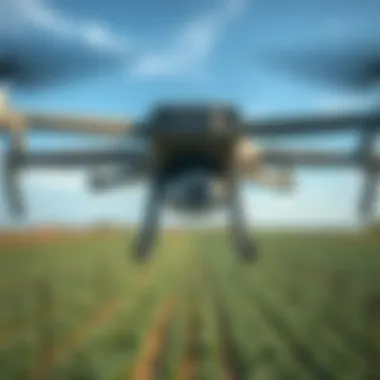
Fast forward to the rise of digital technology, and agricultural photography took a leap into new territories. Cameras became more accessible, satellite imagery entered the picture, and drones started to fly over fields capturing data that was once inconceivable. By the mid-2000s, multi-spectral imaging began to play a pivotal role in AG photography, allowing farmers to view crops from multiple wavelengths and discern health factors invisible to the naked eye.
The evolution from simple snapshots to complex data-driven imagery reflects a significant shift in how agriculture is approached. AG photography lays the groundwork for smart farming techniques that adapt to the challenges of today’s agricultural landscape, ensuring that farming practices evolve with the times.
In this context, understanding these fundamentals isn’t just an academic exercise. It prepares farmers and agricultural professionals to embrace the future of farming, where knowledge and technology come together to foster a resilient agricultural environment.
Technological Innovations in AG Photography
When talking about AG photography, we can't overlook the game-changing impact of technological innovations. These advancements have transformed how agricultural practices are executed, making them more efficient and effective. From drones that soar above the fields to sophisticated thermal imaging tools, the landscape of agricultural imaging is evolving rapidly. This section delves into the specific emerging technologies and the essential equipment that farmers are increasingly adopting to enhance their productivity and sustainability.
Emerging Imaging Technologies
Drones and Aerial Imaging
Drones have emerged as a cornerstone of modern agricultural practices. They provide farmers with a bird's eye view of their fields, which is instrumental in monitoring crop health and assessing soil conditions. One of the key characteristics of drones is their ability to capture high-resolution images from various angles, allowing for detailed analysis.
A significant advantage of using drones is the ability to cover vast areas in a short amount of time. Unlike traditional methods, which may require extensive manual scouting, drones can quickly gather data over large swathes of land. However, they also come with drawbacks; the initial investment can be steep, and operating them requires some technical know-how. Nevertheless, the benefits—such as timely identification of issues and enhanced decision-making—often outweigh these hurdles.
Satellite Imagery
Satellite imagery has been a vital tool for agricultural monitoring for decades. Its primary strengths lie in its ability to provide comprehensive coverage and historical data. Farmers can track changes in their fields over time, analyzing trends that inform future planting and harvesting strategies. The key characteristic of satellite imagery is its expansive reach, covering entire regions in one fell swoop, making it ideal for large-scale agricultural operations.
However, its reliance on orbit paths and weather conditions can present challenges. Sometimes the quality of images can be compromised by cloud cover, leading to gaps in crucial data. That said, the unique feature of historical satellite data allows farmers to comparison-contrast conditions across years, facilitating better long-term planning.
Thermal Imaging Techniques
Thermal imaging is a specialized technique that detects variations in temperature, providing insights into crop health that are invisible to the naked eye. This technology is particularly useful for pinpointing water stress or diseases, as afflicted plants may exhibit different thermal emissions compared to healthier ones.
A unique feature of thermal imaging is its ability to evaluate soil moisture levels, which is essential for irrigation practices. The advantage here is significant: farmers can make informed decisions about watering and resource allocation, optimizing their input and saving costs in the long run. On the flip side, thermal cameras can be expensive, and their proper implementation requires a good understanding of how to interpret thermal data effectively.
Sensors and Equipment
Types of Sensors in Agriculture
Sensors are the unsung heroes of AG photography, capturing real-time data on various parameters including soil moisture, temperature, and nutrient levels. The characteristic benefit of using sensors is that they provide consistent and accurate readings, allowing farmers to make timely decisions about crop management.
For example, soil moisture sensors can alert farmers when it's time to irrigate, which can lead to water conservation and improved yields. However, the disadvantage might come from the need for calibration and maintenance. Over time, sensors can wear down, leading to inaccuracies if not checked regularly, thus requiring ongoing investment and management.
Selecting Appropriate Equipment
With a dizzying array of choices available, selecting the right equipment for AG photography can be daunting. It's crucial to consider what specific needs must be addressed—be it crop monitoring, soil analysis, or pest detection. The key characteristic of appropriate equipment selection is matching the tools to the tasks at hand.
For instance, a higher-end drone with advanced imaging capabilities might be perfect for large-scale farms but could be overkill for a small, organic operation. Farmers need to balance functionality with budget constraints, ensuring they invest wisely without overspending. Equipment that is too complicated can also hinder productivity, especially if the team is not sufficiently trained to use it.
In summary, the technological innovations in AG photography are opening new doors in agricultural practices, yielding valuable insights that promote more sustainable farming. From drones to sensors, each tool offers distinct advantages and challenges, which must be thoughtfully considered to fully leverage their potential in today’s agricultural landscape.
Applications of AG Photography in Crop Management
The advent of AG photography has fundamentally altered the landscape of modern agriculture. Its applications extend far beyond mere documentation or aesthetic purposes; these techniques serve vital roles in crop management that can enhance productivity, sustainability, and resource allocation in the farming sector. By leveraging advanced imaging methods, farmers and agricultural professionals can collect crucial data that aids in decision-making processes throughout the crop cycle.
Specific elements like crop health assessment, yield prediction, and precision agriculture techniques are core to utilizing AG photography effectively. Each of these areas offers unique advantages, facilitating the efficient use of resources while maximizing crop yield and quality. The seamless integration of these practices into modern agricultural frameworks not only supports productivity but also aligns with the growing emphasis on sustainability.
Crop Health Assessment
Identifying Nutritional Deficiencies
Identifying nutritional deficiencies is a fundamental aspect of crop health assessment. This process involves using specialized imaging tools to analyze plants and detect signs of nutrient shortages—something that is essential for maintaining optimum growth and development. With the help of multispectral cameras, farmers can visualize how well their crops are absorbing vital nutrients such as nitrogen, phosphorus, and potassium. The capacity to spot deficiencies early can prevent larger problems later on, which not only conserves resources but also upholds crop quality.
One key characteristic of this technique is its ability to provide real-time insights into crop conditions. By capturing accurate images of the crop's health, agronomists can make informed decisions and apply the necessary interventions. It’s a beneficial choice as it minimizes the guesswork involved in traditional diagnostic methods. However, a notable disadvantage is that these technologies require a certain level of expertise to interpret the data accurately.
Pest and Disease Detection
Pest and disease detection through AG photography represents another crucial element of crop health monitoring. Advanced imaging technologies can identify subtle changes in crop vigor, which often precedes visible symptoms of pests or diseases. This proactive approach allows farmers to intervene before crop loss becomes evident, thus saving both yield and investment.


What makes this method particularly appealing is its speed and precision. By utilizing infrared photography, for instance, experts can discern distinguishing patterns relating to plant stress caused by pests. However, it can sometimes lead to false positives because other factors—not just pests—can impact plant health. Therefore, while this technique enhances rapid response capabilities, a thorough follow-up is necessary to confirm findings.
Yield Prediction and Analysis
Statistical Models in Yield Prediction
Statistical models in yield prediction take advantage of historical data and contemporary imaging techniques to project future crop output. By analyzing past yield data alongside current environmental conditions captured by AG photography, farmers can make scientifically informed predictions regarding what to expect come harvest time. This practice aids in planning and optimizing resource allocation, making sure that input costs align with expected returns.
One key characteristic of statistical models is their reliance on complex algorithms that factor in various components of crop growth. This comprehensive data analysis can provide farmers with a clearer picture of their operational success. However, it requires accurate data—if the underlying data is flawed, the predictions may not be reliable. This nuance can be daunting for growers who don’t have advanced statistical training.
Interpreting Data for Decision Making
Interpreting data for decision making encompasses transforming raw imaging data into actionable insights. This process is pivotal in translating AG photographic observations into coherent strategies for addressing issues like irrigation needs, fertilization schedules, or disease management. Being able to draw specific conclusions from the data can empower farmers to adapt their practices quickly, boosting overall efficiency.
The main characteristic of this technique is its iterative nature; as more data gets analyzed, the decision-making framework matures and evolves. While this can lead to increasingly refined practices, a downside is that such data interpretation often involves a learning curve. Only through consistent use and analysis can farmers leverage this system to its full potential.
Precision Agriculture Techniques
Implementing Variable Rate Applications
Implementing variable rate applications is a facet of precision agriculture that allows for tailored treatment of crops based on their individual needs. Using AG photography, farmers can determine which areas of their fields require specific inputs—like varying amounts of fertilizer or water—rather than applying a one-size-fits-all solution. This leads to more efficient use of resources and ultimately, better crop yields.
The exceptional aspect of variable rate applications is that they use data-driven insights to customize treatment plans. This precision increases both efficiency and profitability. Nonetheless, the implementation may incur higher initial costs, as it requires advanced equipment and technology to achieve desired results.
Geospatial Analysis of Crop Performance
Geospatial analysis of crop performance involves mapping and analyzing various factors affecting crop growth through the lens of AG photography. This allows farmers to visualize how topography, soil type, and microclimates influence crop success on a granular level. By leveraging this knowledge, farmers can implement strategies that maximize yields while minimizing waste.
A distinguishing feature of this analysis is its holistic approach. It not only considers the crops themselves but incorporates environmental variances as well. It provides an extensive view of performance across fields. However, it can be quite complex to interpret and requires significant technical skills or expertise to fully utilize the data gathered effectively.
Impact on Sustainability Practices
In today's world, the concept of sustainability has taken on immense significance, particularly in agriculture. As farmers and agricultural professionals face ongoing challenges like climate change, biodiversity loss, and resource depletion, adopting sustainable practices is inevitable. AG photographic techniques are emerging as indispensable tools in achieving these aims. Not only do they assist in gathering critical data, but they also enable farmers to make informed decisions that align with sustainability goals.
The impact of AG photography on sustainable agricultural practices is profound for several reasons. These techniques help in optimizing resource usage, monitoring environmental health, and promoting biodiversity, all crucial for maintaining the delicate balance of ecosystems.
Reducing Resource Inputs
One of the most significant aspects of AG photography is its ability to help farmers reduce resource inputs. Farmers can optimize their use of water, fertilizers, and pesticides through precise analysis derived from photographic techniques. For instance, by using drone-based imaging, farmers can obtain high-resolution images that reveal the moisture levels of crops in real-time. This technology allows for targeted irrigation, wherein water is supplied only to areas that need it most. Such targeted practices not only save a precious resource like water but also reduce energy expenditure related to pumping and distributing that water.
Further, thermal imaging can detect areas of heat variance in crops, indicating potential issues like dehydration. Addressing these issues proactively ensures that resources are not wasted on unnecessary treatments or applications, thus enhancing sustainability. By minimizing over-application, farmers can also reduce fertilizer runoff into neighboring waterways, which can lead to harmful algal blooms.
"Optimizing resource input is not just a cost-saving exercise; it's an essential practice for protecting our planet's delicate balance."
Enhancing Biodiversity Monitoring
AG photography serves as a powerful ally in enhancing biodiversity monitoring. Understanding the health and diversity of local ecosystems is vital for sustainable agriculture. With advancements in imaging technology, farmers can track various indicators of biodiversity, such as the presence of different plant species and the health of pollinators within their fields.
By capturing images at different times in the growing season, farmers can assess not just the agricultural crop itself but also the surrounding flora and fauna. Identifying the presence of beneficial insects, for example, can guide farmers in deciding when or if to apply pesticides. This promotes a more integrated pest management approach, which considers the entire ecosystem rather than just the crops.
Additionally, using vegetation indices derived from AG imaging, farmers can track how various practices affect biodiversity over time. This, in turn, helps them create strategies to enhance habitats for pollinators and other beneficial organisms, ensuring a diverse ecosystem that supports crop productivity.
Challenges and Limitations of AG Photography
In the realm of modern agriculture, the adoption of photographic techniques has reshaped methodologies in various aspects. Nevertheless, it is crucial to talk about the challenges and limitations associated with AG photography. Understanding these hurdles allows agriculturalists to make informed decisions, ultimately impacting their productivity and sustainability.
One key element to consider is the data interpretation challenges that often accompany the application of AG photography. Here, we see that images captured through advanced technologies are not always straightforward. The data gathered must be interpreted correctly to extract practical insights. Factors like lighting conditions, atmospheric interference, and the angles from which photos are taken can dramatically affect the resulting data.
Often, farmers may find themselves sifting through masses of images without the proper context or tools to analyze them. Relying solely on visual inspection can lead to misunderstandings about crop health or environmental conditions.
Thus, the role of experienced agronomists and specialists becomes invaluable. Their expertise can bridge the gap between raw data and actionable insights. Furthermore, software applications that process and analyze AG photographs are not immune to inaccuracies, particularly if parameters are not set correctly. These challenges highlight the need for ongoing training and education in this specialty.
Data Interpretation Challenges
When deploying AG photographic techniques, one of the foremost challenges is how to interpret the enormous amount of visual data produced. In fact, it’s not merely about snapping a picture. There's a myriad of factors affecting the effectiveness of the imagery captured.
Key challenges include:
- Image Quality: Variations in resolution can affect the details captured. Low-resolution images may conceal issues like pest infestations or nutrient deficiencies.
- Variability in Crop Conditions: Not all crops react the same way to environmental stimuli, leading to misleading conclusions if an image is misinterpreted.
- Technological Complexity: Navigating state-of-the-art software is not a walk in the park; it requires time and commitment to learn.
As we move towards more sophisticated imaging techniques, it becomes ever more important for farmers and agronomists to hone their skills in interpreting this data correctly. This ensures not only accuracy but also the effectiveness of agricultural practices.
Cost Considerations
Cost is another significant limiting factor in the widespread use of AG photography. While technology has advanced drastically, the initial investment and maintenance costs of these practices can be daunting for many farmers, especially those just starting.
Cost-related factors to weigh include:
- Equipment Expenses: Drones equipped with high-quality cameras or thermal imaging sensors can be substantially pricey. Without a clear understanding of the return on investment (ROI), many might be hesitant to adopt this technology.
- Training Costs: Successful interpretation of AG photograph data necessitates training that can also cost quite a chunk. The investment in education is often overlooked but plays a critical role.
- Software Licensing Fees: Many advanced agri-technology platforms require continuous subscriptions for data analytics and storage which can add up quickly.
Farmers might find themselves in a catch-22: the need for technology to increase efficiency clashes with the reality of startup costs, potentially stalling innovation.
Overall, recognizing these challenges allows agricultural professionals to strategize better and tailor their approaches towards AG photography, ensuring that they maximize benefits while addressing limitations.
Future Trends in AG Photography
The future of agricultural photography is shaping up to be more dynamic than ever before. As the agricultural sector continuously transforms to meet the global food demands and environmental challenges, AG photography stands at the forefront of this evolution. It not only aids traditional practices but also integrates advanced techniques that are set to revolutionize how farmers interact with their crops and the environment.
The incorporation of new technologies, particularly artificial intelligence and advancements in remote sensing, plays a crucial role in optimizing agricultural productivity. This section highlights these important trends, delving into the tools and techniques that farmers can leverage for enhanced output while reducing resource wastage and supporting sustainable practices.
Integration with Artificial Intelligence
The melding of artificial intelligence into AG photography is not mere speculation; it’s increasingly becoming a reality. Imagine AI algorithms that can rapidly analyze images captured through drones, pinpointing areas that require urgent attention due to pest infestations or nutrient deficiencies. The speed and accuracy of AI processing surpass human capabilities, enabling farmers to make decisions that bolster crop health and yield.
AI systems can also harness machine learning capabilities to adapt over time. For instance, they learn from previous data to improve their predictions, identifying patterns that might be invisible to the naked eye. Take crop monitoring, for example. With AI-driven analysis, farmers can assess crop viability much more efficiently than traditional methods allow. This level of insight is invaluable, and it saves farmers both time and resources.
Moreover, the use of AI in predicting weather impacts on agriculture is a game-changer. By marrying weather forecasts with real-time data from AG photography, farmers can adjust their practices, perhaps deciding when to plant or the best time for harvest. The ripple effects of this technology ensure that not only is yield maximized, but environmental footprints are minimized.
Advancements in Remote Sensing
Remote sensing has come a long way from the early days of agriculture. Drones equipped with high-resolution cameras now offer a bird's-eye view of vast farmlands, enabling farmers to conduct assessments that were once only possible with extensive manpower. These advancements allow for the continuous monitoring of large agricultural expanses, providing data that was previously unattainable.
The rise of multispectral and hyperspectral imaging in remote sensing is revolutionizing how we perceive crop health. These imaging techniques analyze light reflecting from crops at different wavelengths, revealing vital information about plant health, soil conditions, and even moisture levels. For example, a farmer might utilize this data to optimize irrigation schedules, ensuring that each plant receives just the right amount of water.
In addition, integrating satellite imagery with ground-level observations enhances the reliability of agricultural planning. With these cutting-edge tools, farmers can better understand their fields like never before, allowing for informed decisions that enhance productivity while conserving resources.
"The future of agriculture lies in the synergy between technology and nature, enhancing efficiency while respecting the planet's needs."
As these trends continue to evolve, the landscape of AG photography will undoubtedly redefine what is possible in modern agriculture, making it essential for farmers and agricultural enthusiasts to stay ahead of the curve.
End and Reflection
In the tapestry of modern agriculture, AG photographic techniques stand out as not merely tools but as transformative agents that bridge tradition and technological evolution. The ability to capture and interpret the land in ways previously unattainable has led to significant steps forward in efficiency, sustainability, and overall agricultural practices. This closing section emphasizes the crucial significance of AG photography in fostering smart farming strategies and ensuring the future viability of agriculturalism.
The Evolution of AG Photographic Techniques
The journey of AG photography has been marked by significant technological leaps that have redefined its scope and applications over the years. From early attempts at documenting crop conditions using basic cameras to current innovations leveraging drone technology, the evolution is nothing short of remarkable.
Initially, farming practices relied heavily on visual assessments by trained professionals. However, as systems began to embrace photography, the sector witnessed dramatic changes. Drones equipped with high-resolution cameras and multispectral sensors now deliver real-time data. For instance, John, a farmer in Ohio, noticed a yield increase of 20% after employing aerial imagery to identify underperforming crop sections, proving these technological advancements can translate directly into practical benefits.
"The camera is a tool for understanding, and in the hands of farmers, it can mean the difference between struggle and success."
In this digital age, the use of thermal imaging has added another layer of complexity, enabling farmers to detect heat variances that may indicate water stress or plant diseases. Furthermore, with the advent of big data analytics, these photographic images are no longer isolated; they feed into larger datasets that can signal trends and guide farmers' decisions not just on a daily but also on a seasonal basis.
Implications for the Future of Agriculture
The future of agriculture is phasing into an era where knowledge and technology intertwine seamlessly. The implications of AG photographic techniques extend beyond mere crop monitoring; they embody a holistic approach toward sustainable farming practices.
First and foremost, there’s the potential for enhanced yield optimization. As photographic data is analyzed over multiple seasons, farmers can fine-tune their practices based on historical data. This ensures they’re not just reacting but proactively adapting to changing climates and market demands.
Moreover, the integration of artificial intelligence in analyzing AG photographs promises to yield even greater insights. Machine learning algorithms can identify patterns invisible to the human eye, thus making resource allocation more efficient. For example, using AI to scan images for subtle changes in leaf color could lead to early detection of diseases, saving farmers not only crops but also time and financial resources.
As communities worldwide grapple with the challenge of feeding a burgeoning population amidst climate uncertainties, the role of AG photography will only grow. It becomes clear that employing these technologies is not merely beneficial but essential for the agricultural sector's survival.